
The Vanishing Act
The Vanishing Act is an escape room about stage magic where you don't watch the tricks - you perform them. You put a rabbit in a box, run swords through it, open it again... and it's empty.
The puzzle and the illusion are the same thing here, and that made this the hardest room I've ever designed. Every action has to work twice: as a mechanism, so the game can move on, and as an act, so it feels like you're the one enchanting the audience. Meanwhile the room does what every magician does: it consistently steers your attention the wrong way, while the real work happens somewhere else.
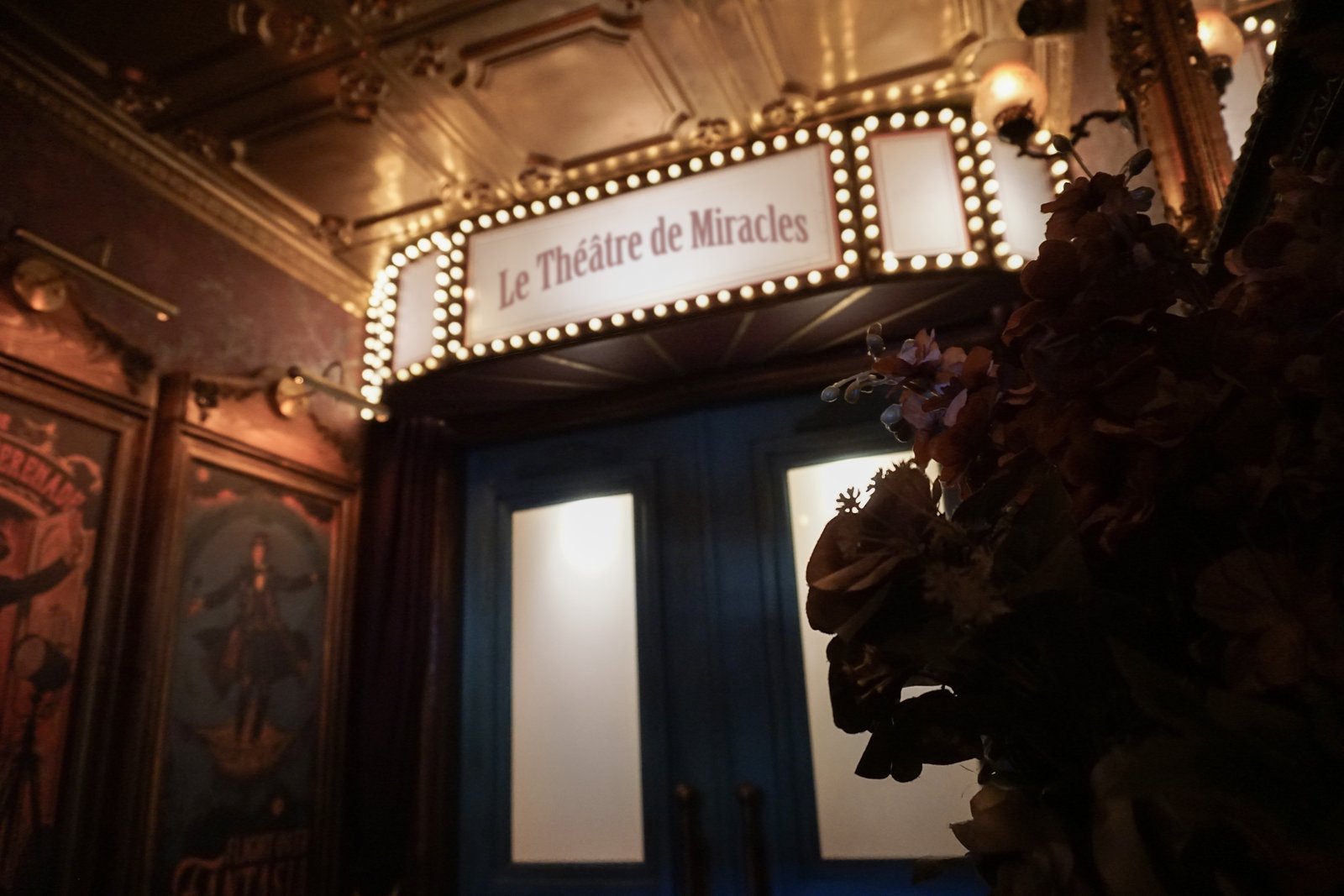
Le Théâtre de Miracles
The theatre of illusionist Cornelius Conrad, who vanished without a trace during his final performance in 1908. Now, years later, the building is slated for demolition, and you're the last one allowed in, to file a report. In the foyer everything still stands ready, as if the show could start any minute.
The dressing room
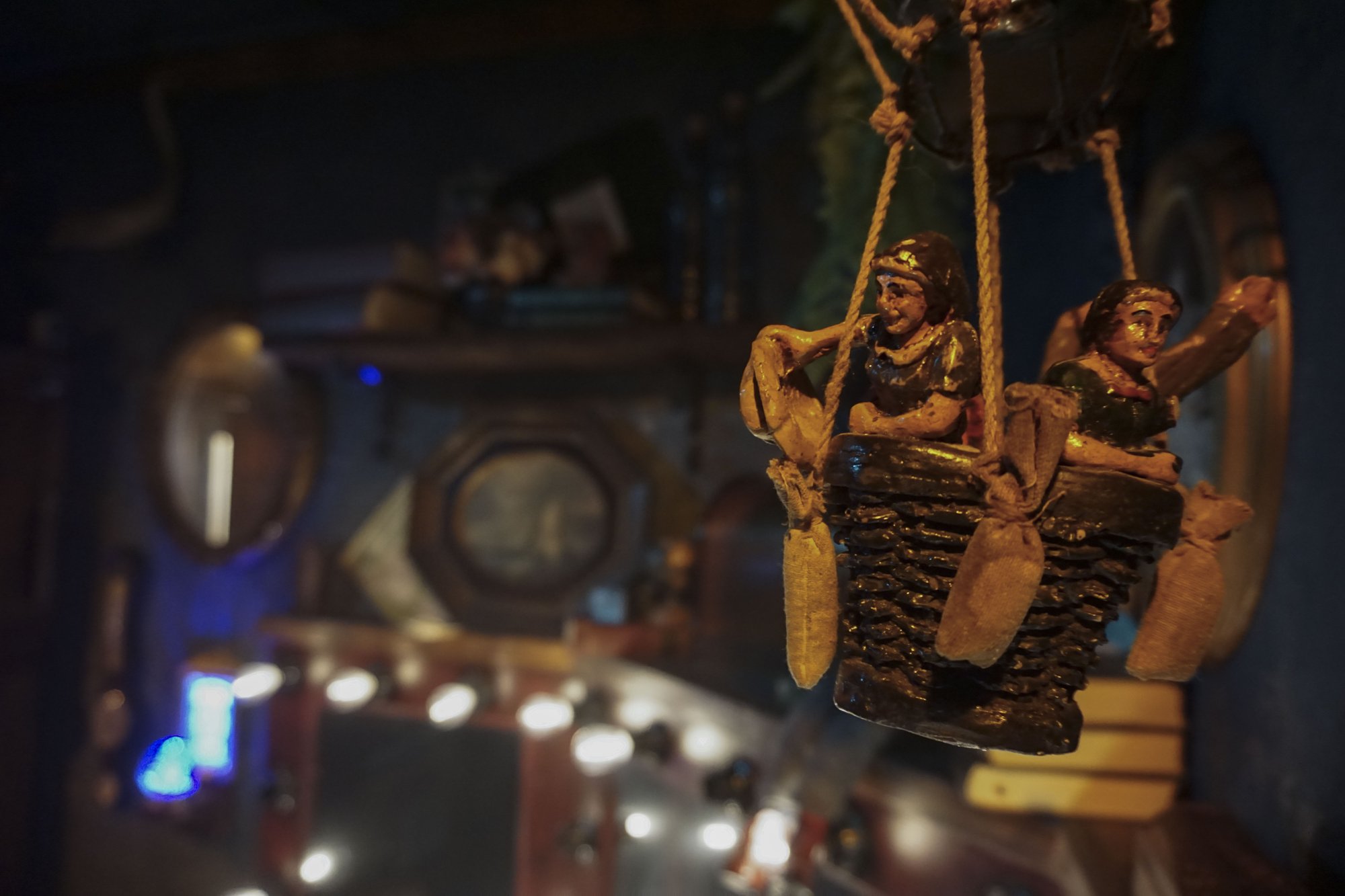
From the foyer you land in the world behind the act: Conrad's own dressing room. Mirrors, props and souvenirs from a life on tour. Every dusty object might reveal a story.
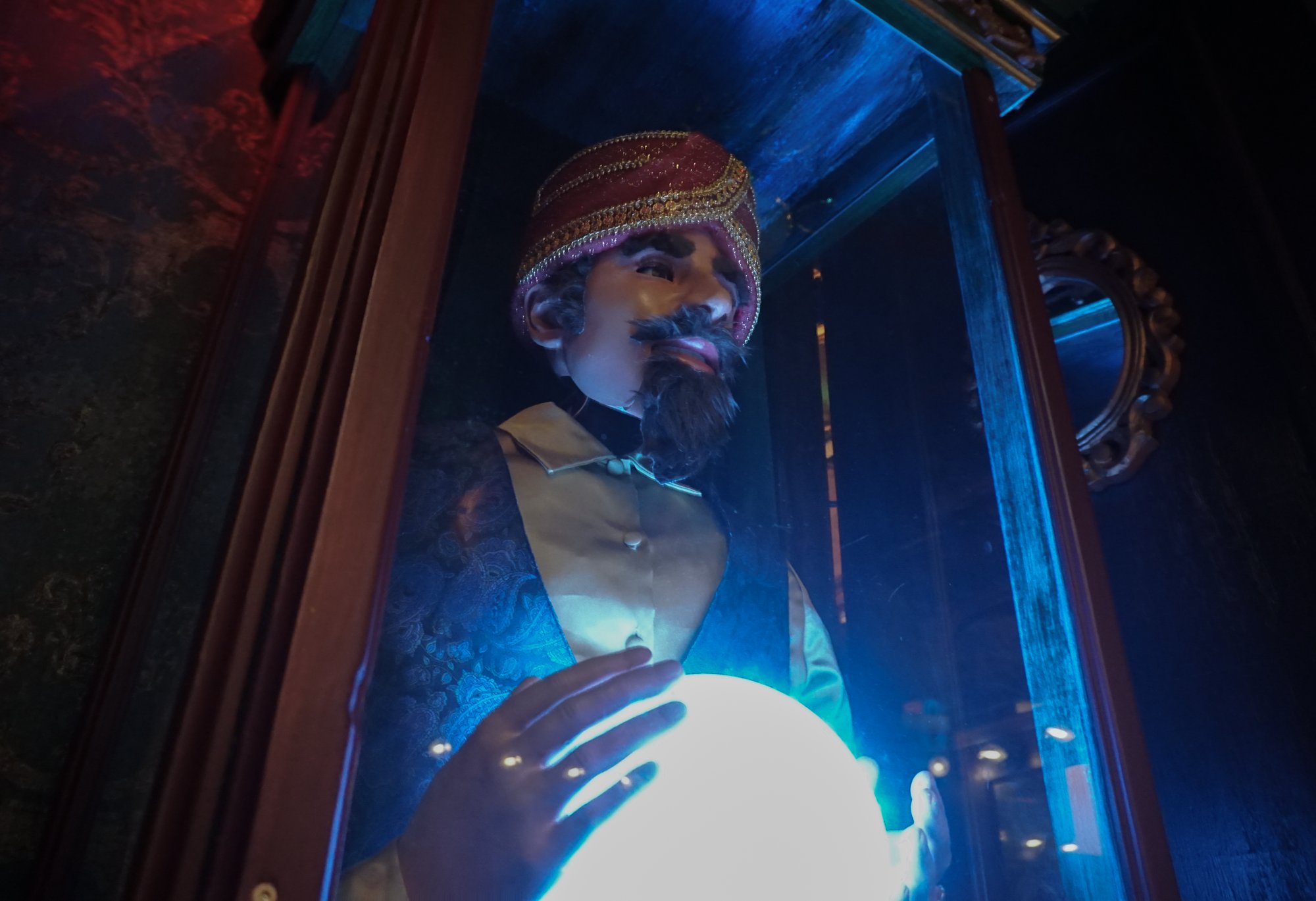
Zoltar
The dressing room is also home to Zoltar, a self-built animatronic fortune teller: face, movement, housing and controls all from my own workshop. Whatever he tells you, you'll most likely need further in.
The lighting bridge
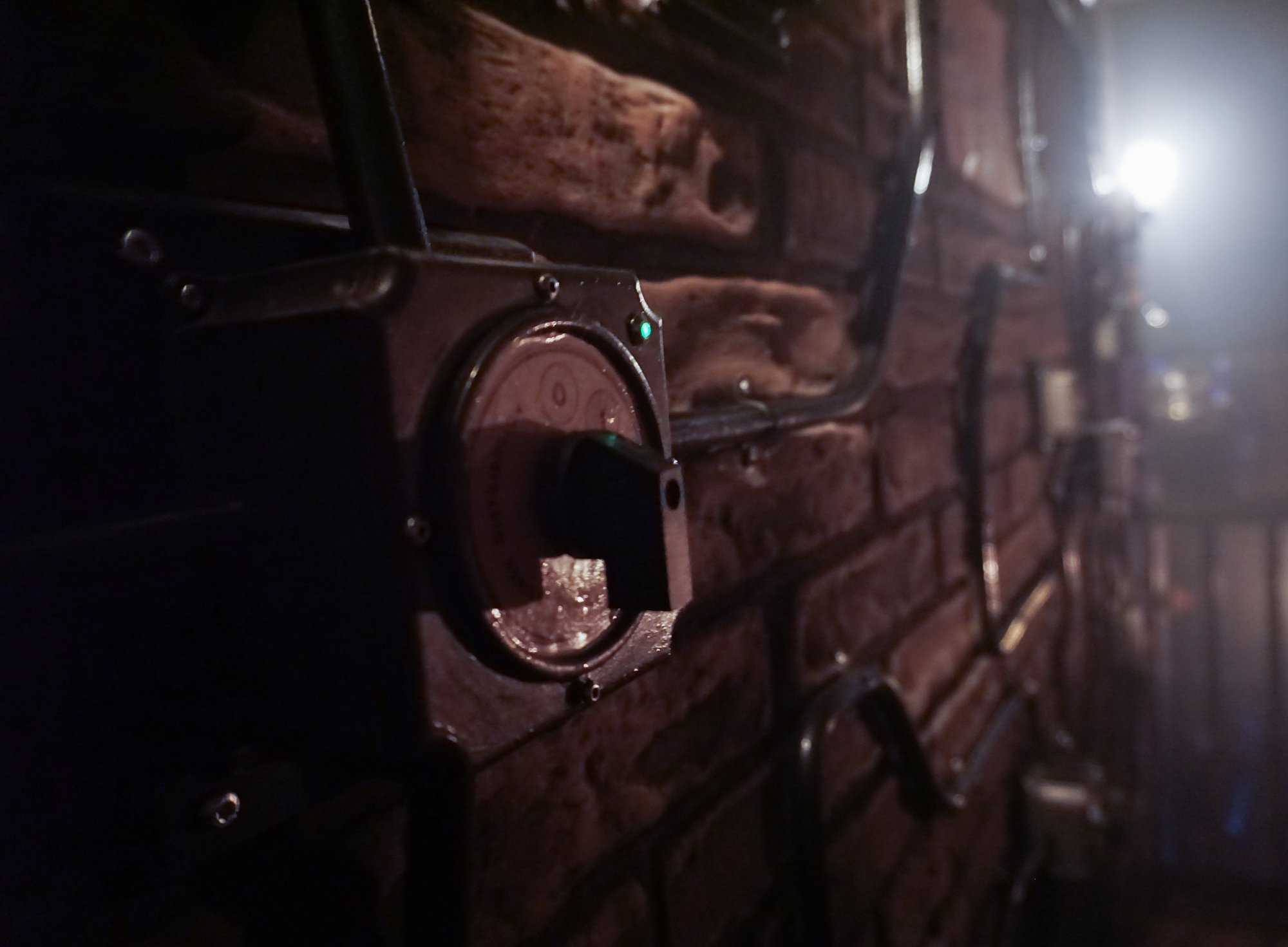
Higher up in the building hangs the lighting bridge: dark, pipes, cables, switches and bare brick. This is the part of a theatre the audience never sees, the machinery every show runs on.
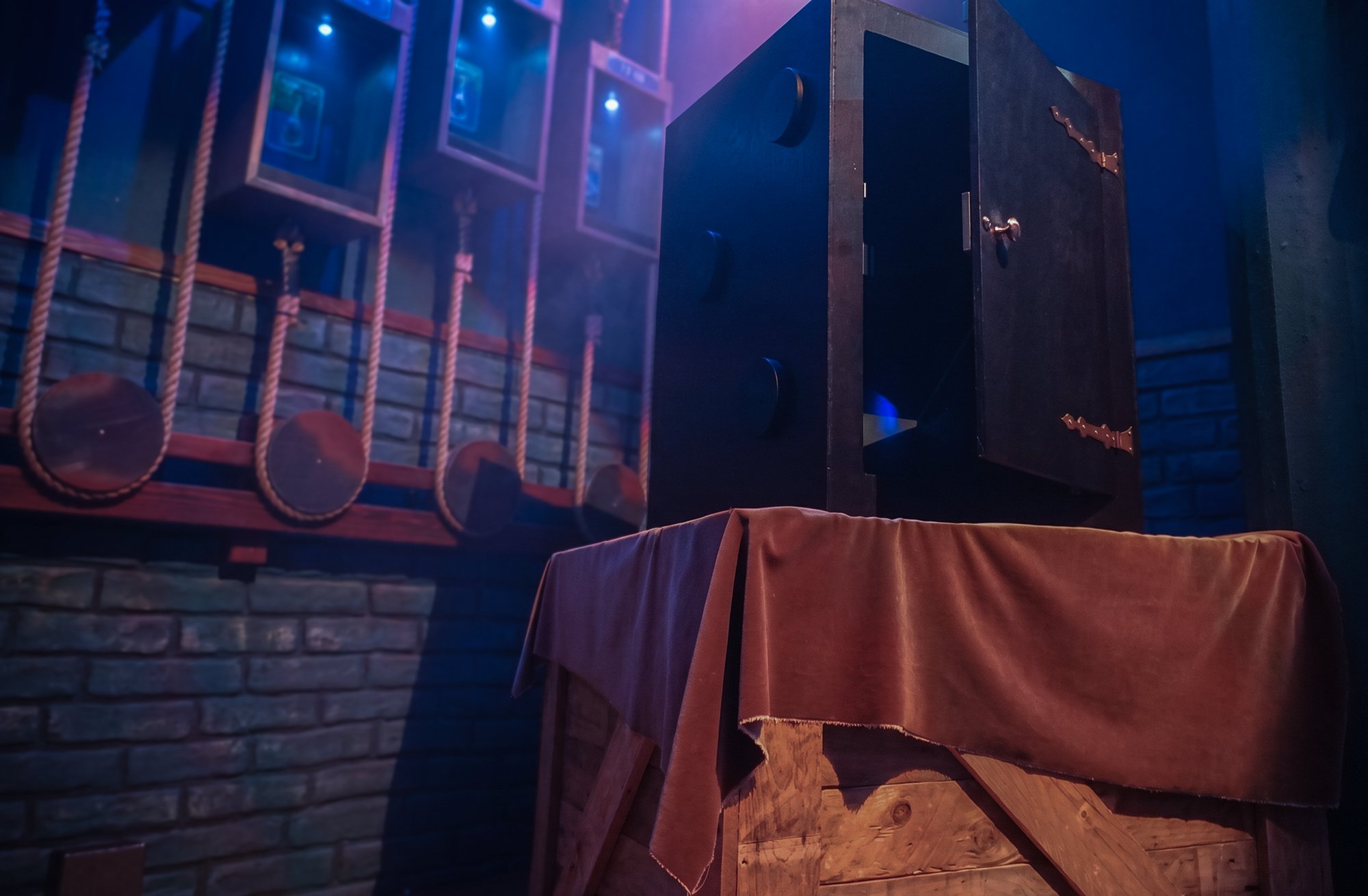
The stage
And then you're standing where Conrad stood, among his props, with the auditorium in front of you. Normally you watch a magic show from the seats; here you perform the tricks yourself. That's where most of the design work went: every action had to become an act, and still simply stay a puzzle.