
The Many Discoveries & Explorations of André Vasling
De vele ontdekkingen & verkenningen van André Vasling is an interactive cabinet of curiosities, built around one question: how does a museum turn its own collection into an experience? You start with a boring fill-in worksheet, touch something you weren't supposed to, and suddenly you're in the middle of an expedition.
Museums often seem to have to choose between education and spectacle, which always struck me as a shame. The answer turned out to be layers: the same cabinet serves the fiddler, the reader, the watcher and the story-hunter all at once, with wind, warmth, smell and projection thrown in, and software that quietly adjusts the difficulty to whoever's standing in front of it. Everything you see and touch I thought up, built and programmed myself.
A cabinet waking up
What happens once the cabinet comes to life: objects that respond to what you do, light and sound moving through the compartments, the cabinet trembling as you sail, and a journey through five hundred years of history unfolding out of a single piece of furniture.
Touching is required
In a museum, touching something usually means a guard gets up. Here it's the only way forward. Every object shows you what it does the first time you touch it: pick up the lamp and it lights, turn something and the world turns with it. And because the story only moves when you do something, just watching isn't really an option.
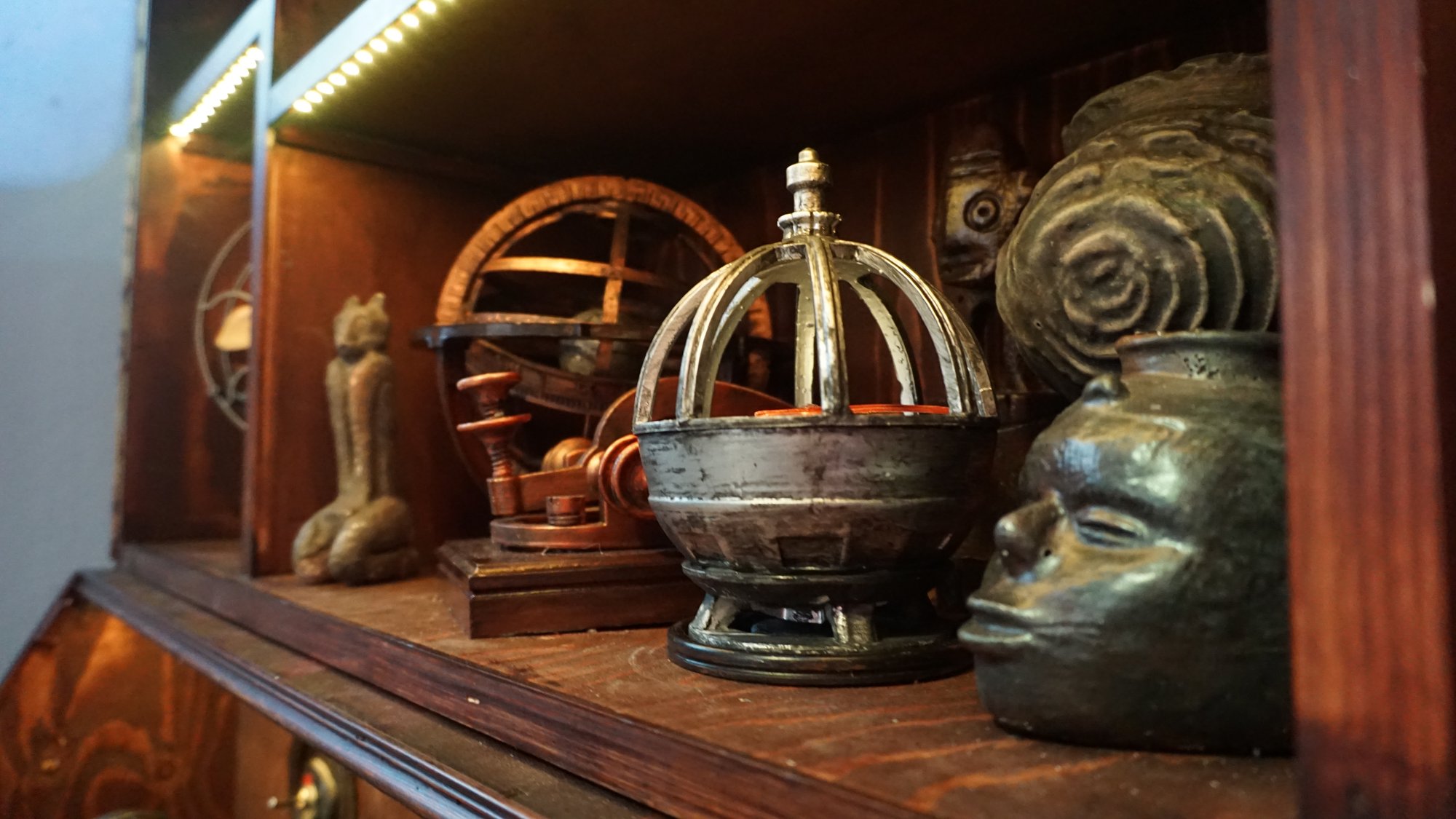
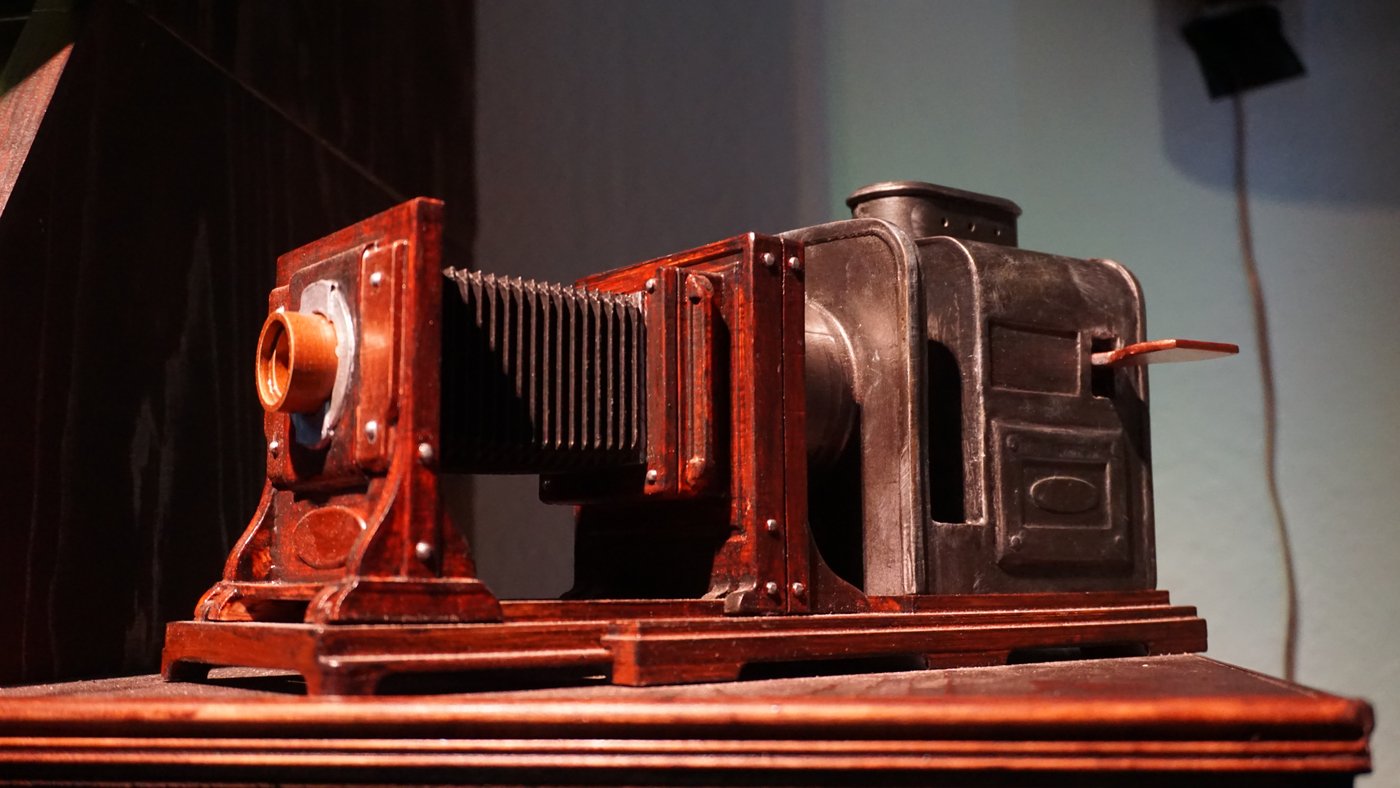
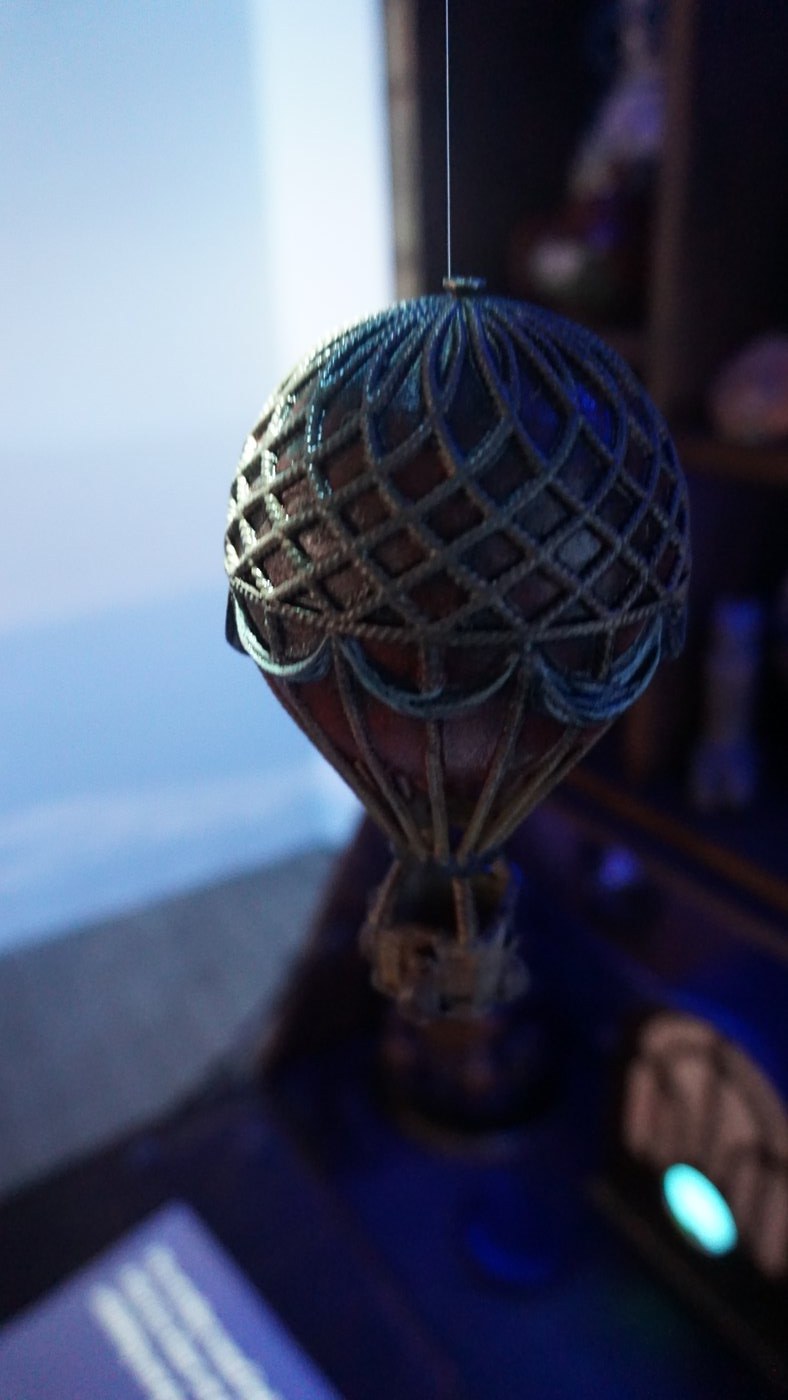
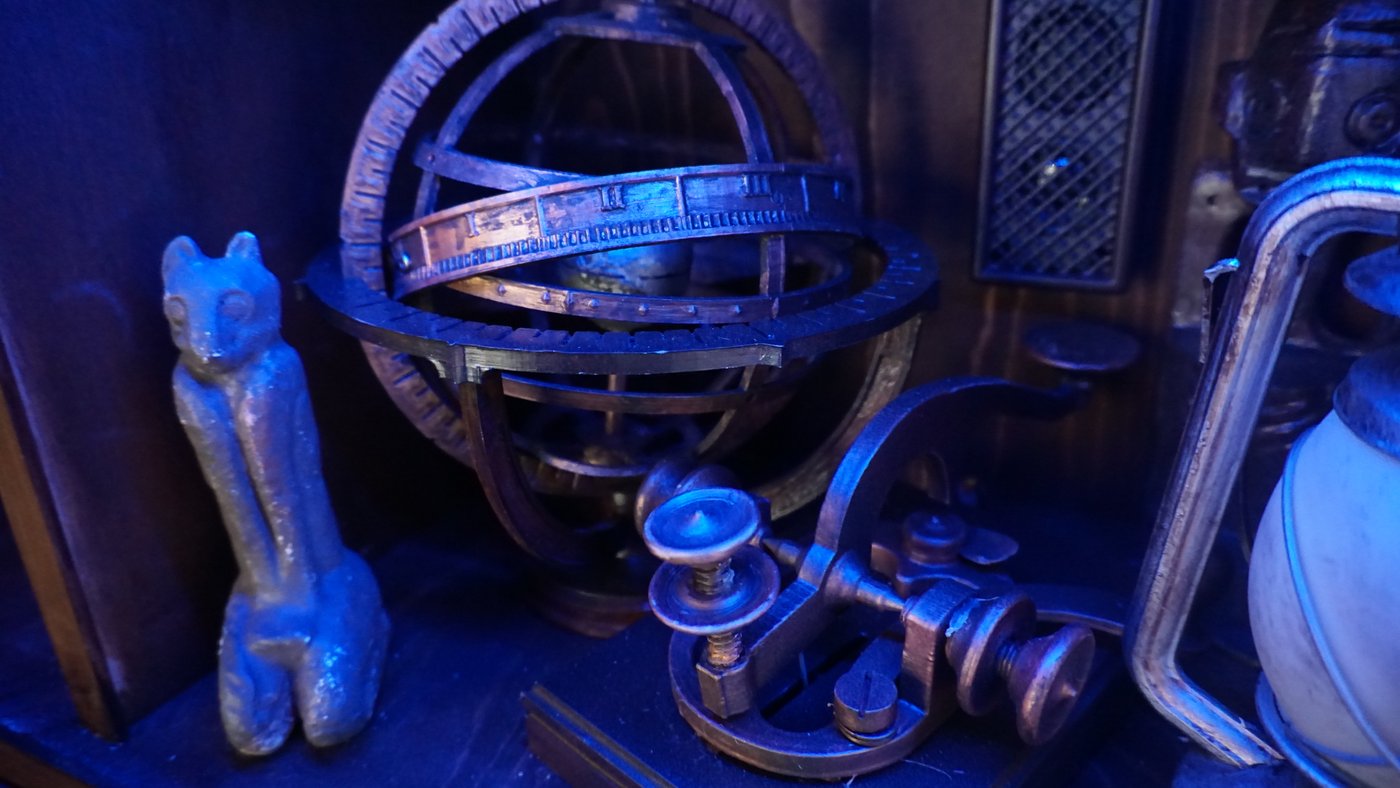
Four visitors, one cabinet
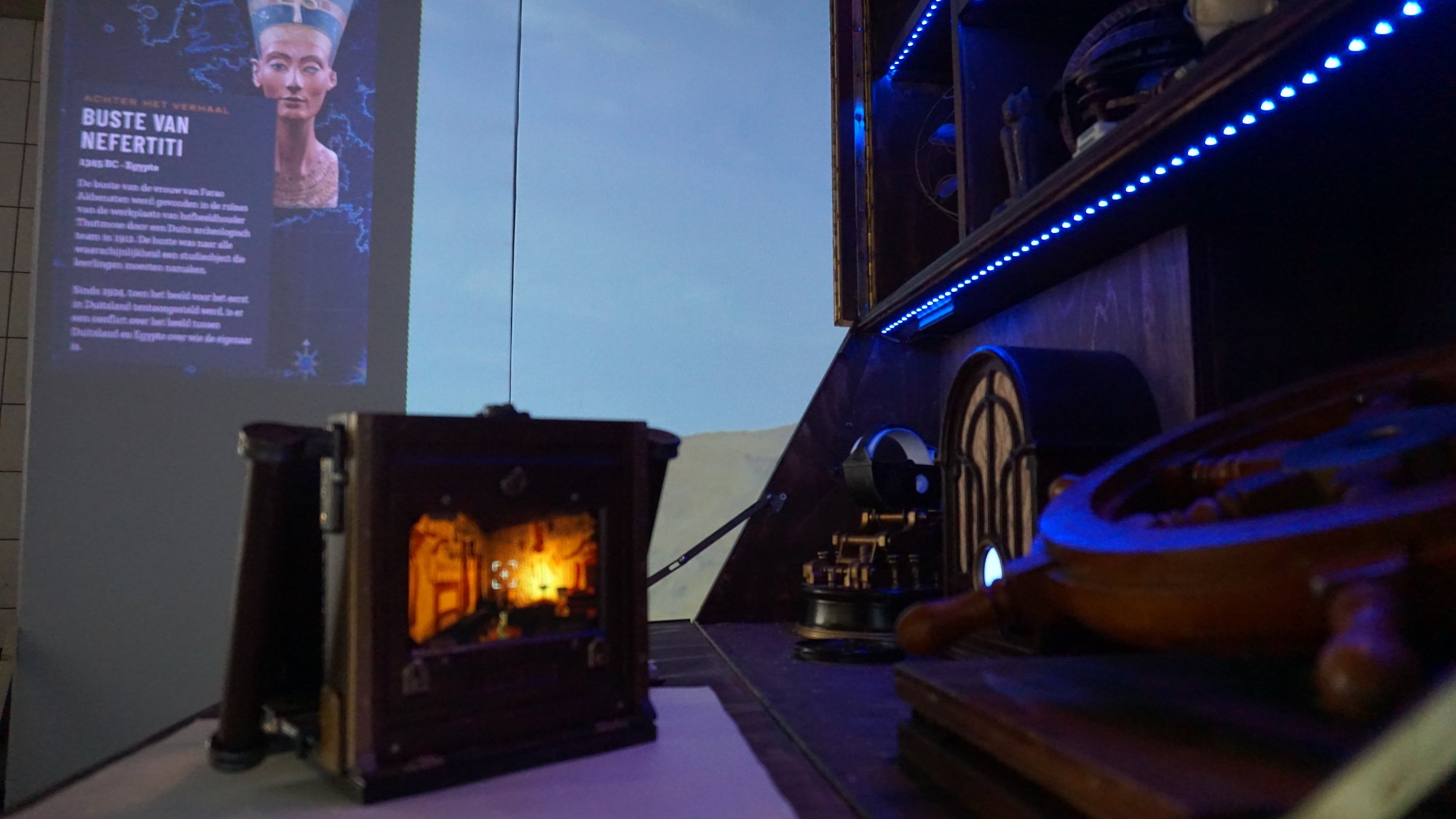
The nice thing about the layers is that they don't have to get in each other's way. If all you want to do is touch things, you miss nothing of the story, and if you want to read everything, you're not holding anyone up. In the photo you can see them living side by side: the objects, the projection, the camera you peer into the tomb through, and the factual information next to it.
More than just looking
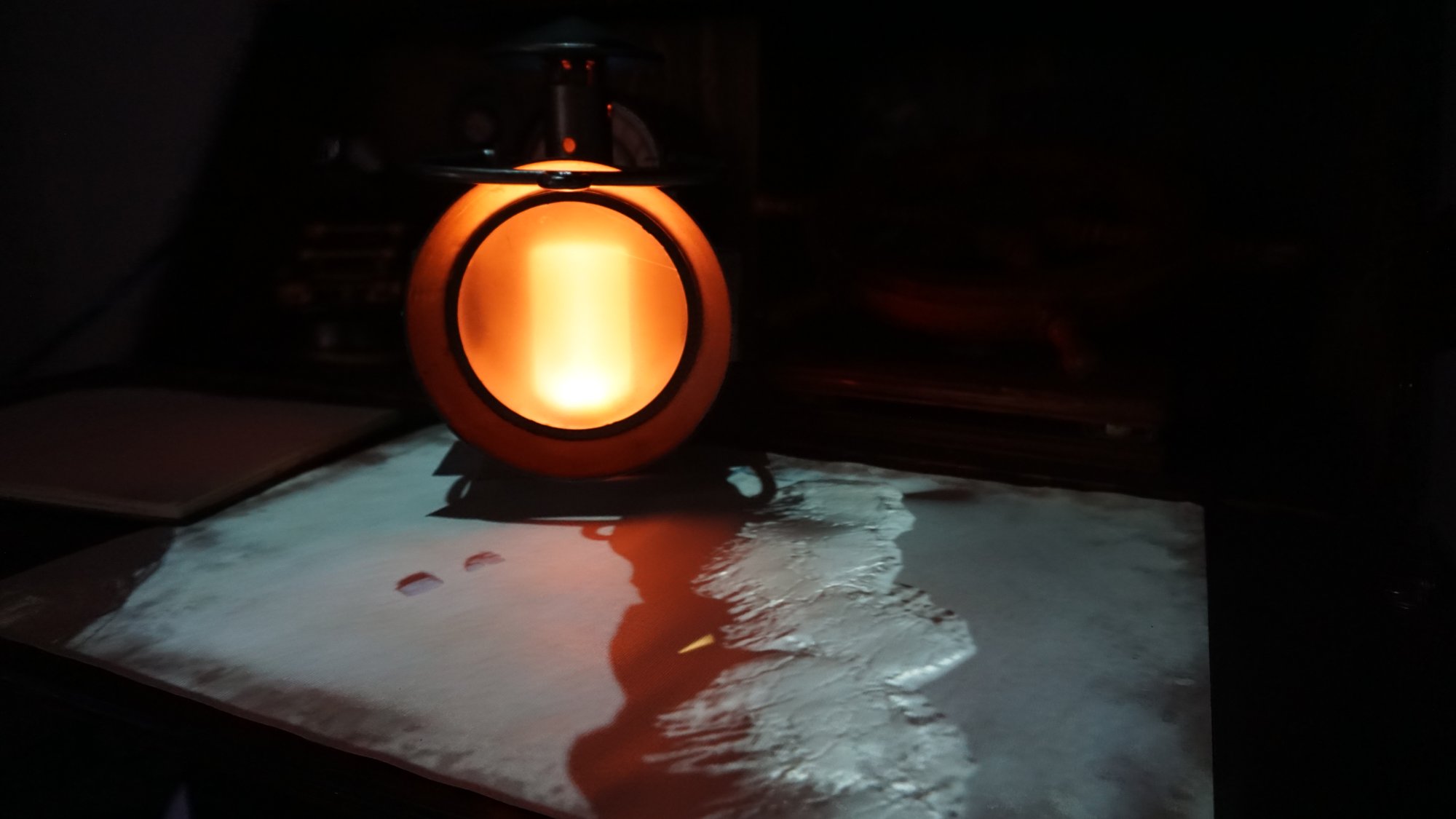
Every scene has its own smell, and in the chapter about the polar flight a little balloon comes down on a wire while the ice sheets slide past below, and whoever pours the Chinese teapot floods the whole room. Small actions that bring a whole world to life.
Facts in a fictional frame
André Vasling's journey never happened. The events along the way largely did. A museum is a place of facts, but history is always told from a viewpoint, and fiction simply reads faster than a plaque. So here the fiction is the runway: it's there to get your interest off the ground, and to serve as a frame the real history can be set into.
Handling sensitive subjects
The bust of Nefertiti comes with four stories at once: the sculptor, Nefertiti herself, the discovery, and the argument over who owns her now. That last story belongs there, but it doesn't belong in the mouth of a fictional character. Which is why a digital poster stands next to the cabinet, giving that context plainly, outside the fiction.
The cabinet around the objects
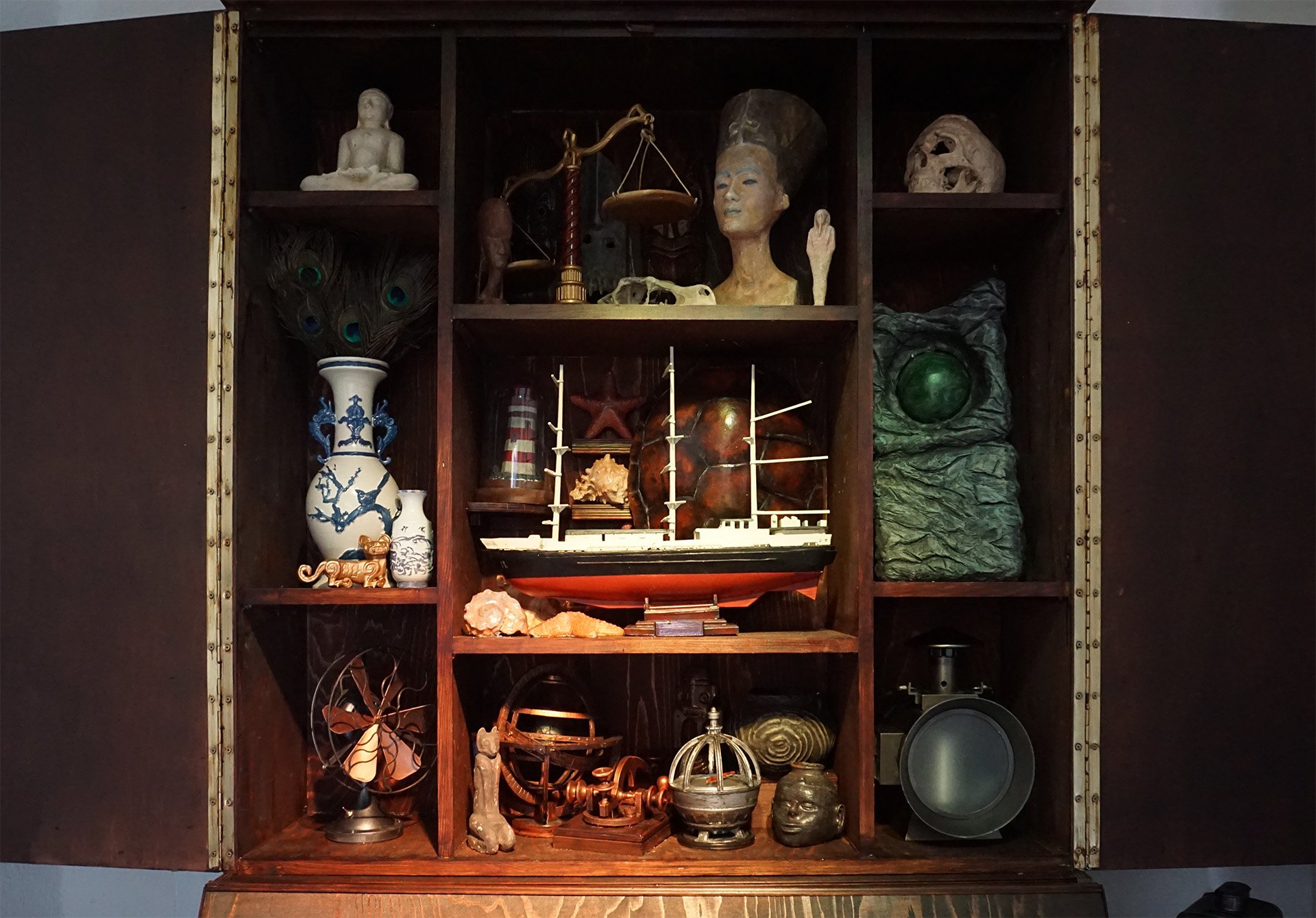
The order was: first the thirty objects, then the cabinet. Half are based on 3D scans from museum collections, the other half modelled from scratch, and everything is made in 3D print, foam, plaster, clay and resin. The cabinet was then designed around them, with room for all the tech at the back (and it fits through a door in two pieces).
The invisible system
25 sensors, 21 speakers, 500 metres of cable, five projectors, dozens of lights, projection mapping, and none of it in sight. Every compartment has its own speaker, so you hear a kettle whistle exactly where the teapot sits. Everything is steered with light and sound.
Software that watches along
The experience keeps track of how it's going. If you get stuck, you quietly get more hints, a sound at the right object, or a not-quite-right answer that counts anyway. Image and sound are rendered in 3D in real time, so nothing stalls when someone takes their time. Nobody notices the experience adapting.